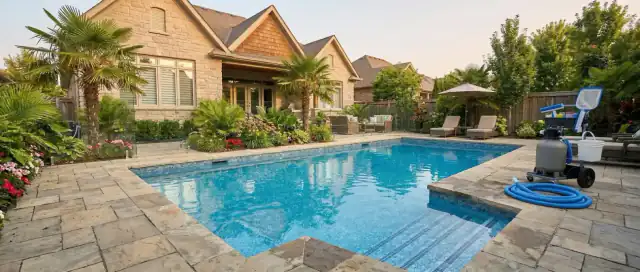
Pool Renovation and Inspection: When to Upgrade and How to Assess Your Pool's Condition
Every swimming pool has a lifecycle. What was once a stunning backyard centerpiece can gradually show its age through worn surfaces, outdated equipment, inefficient systems, and cosmetic deterioration. Knowing when it is time for a pool renovation versus when a simple repair will suffice requires a professional eye and a thorough pool inspection. This guide walks you through the entire process — from understanding when renovation makes financial sense to what a comprehensive inspection covers and how to plan a renovation project that transforms your pool while maximizing your return on investment.
What Is a Professional Pool Inspection and Why Does It Matter?
A professional pool inspection is a systematic evaluation of every component of your swimming pool — structure, equipment, plumbing, electrical systems, safety features, and water quality. Unlike a casual visual check, a formal pool inspection follows established protocols and produces a detailed report that identifies current problems, potential future issues, and recommended actions.
When to Schedule a Pool Inspection: There are several situations where a professional pool inspection is not just helpful but essential. If you are buying or selling a home with a pool, a pre-sale or pre-purchase inspection protects both parties by documenting the pool's current condition. If your pool is more than 10 years old and has never been formally inspected, scheduling one now can reveal hidden issues before they become emergencies. If you are considering a pool renovation, an inspection provides the baseline assessment needed to plan the project scope and budget accurately.
What a Comprehensive Pool Inspection Covers: A thorough pool inspection evaluates the structural integrity of the pool shell including cracks, delamination, and settling, the condition of the interior surface finish including roughness, staining, and wear, all mechanical equipment including pumps, filters, heaters, and automation systems, the plumbing system including pressure testing for leaks, electrical systems including grounding, bonding, and GFCI protection, safety features including drain covers, barrier fencing, and self-closing gates, the pool deck and coping including trip hazards, drainage, and structural condition, and water chemistry and filtration effectiveness.
The Inspection Report: After completing the evaluation, your pool inspection professional provides a detailed written report that categorizes findings by urgency — immediate safety concerns, recommended repairs within the next 6 to 12 months, and long-term maintenance planning items. This report becomes an invaluable tool for prioritizing work and budgeting for either repairs or a comprehensive pool renovation.
Signs It Is Time for a Pool Renovation
While regular repairs can address individual issues, there comes a point when a full pool renovation becomes the smarter investment. Here are the key indicators that renovation is the right path forward:
Deteriorating Surface Finish: If your pool's plaster, pebble, or aggregate surface has become rough, stained, or is exposing the underlying concrete, a surface renovation is needed. Beyond aesthetics, a deteriorating surface is uncomfortable for swimmers, harbors algae, and makes chemical management more difficult. Surface renovation is one of the most common components of a pool renovation project.
Outdated Equipment: Pools built more than 15 years ago often have single-speed pumps, oversized inefficient heaters, and outdated filtration systems that consume far more energy than modern alternatives. A pool renovation that includes equipment upgrades can reduce your energy costs by 50 to 70 percent while delivering better performance and reliability.
Crumbling Deck and Coping: The pool deck and coping are both functional and aesthetic elements that deteriorate over time due to weather exposure, chemical splash, and normal wear. Cracked, uneven, or spalling deck surfaces create trip hazards and detract from your pool's appearance. Deck and coping renovation refreshes the entire pool area and improves safety.
Non-Compliant Safety Features: Building codes and safety standards evolve continuously. Older pools may lack required drain covers, proper barrier fencing, compliant self-closing gates, or adequate electrical grounding and bonding. A pool renovation provides the opportunity to bring every aspect of your pool up to current safety standards.
Lifestyle Changes: Sometimes the best reason for a pool renovation is simply that your needs have changed. Adding a spa, installing a tanning ledge, building a water feature, adding LED lighting, or reshaping the pool to better suit your current lifestyle are all popular renovation projects that significantly enhance enjoyment and property value.
Planning Your Pool Renovation Project
A successful pool renovation starts with careful planning that considers your goals, budget, timeline, and the realities of your existing pool structure. Here is a step-by-step approach to planning a renovation that delivers the results you want:
Step 1 — Professional Assessment: Begin with a comprehensive pool inspection performed by a qualified renovation contractor. This assessment reveals the true condition of your pool and helps you understand which elements must be addressed and which are optional upgrades. The inspection findings directly inform your renovation scope and budget.
Step 2 — Define Your Priorities: Based on the inspection results and your personal goals, create a prioritized list of renovation elements. Separate must-do items like structural repairs and safety upgrades from nice-to-have additions like water features and automation. This helps you make informed decisions if budget constraints require phasing the work.
Step 3 — Get Multiple Bids: Obtain detailed written bids from at least three qualified pool renovation contractors. Compare not just total price but scope of work, material specifications, timeline, warranty terms, and references. The lowest bid is not always the best value — quality materials and experienced craftsmanship pay dividends in longevity and satisfaction.
Step 4 — Review Material Options: Modern pool renovation materials offer far more choices than were available when most existing pools were built. From pebble and quartz surface finishes to porcelain and glass tile, from natural stone coping to modern pavers, from standard pool lights to programmable LED color systems — the options for your pool renovation are practically limitless. Ask your contractor for samples and visit completed projects to see materials in real-world installations.
Step 5 — Plan for Downtime: A comprehensive pool renovation typically takes 2 to 6 weeks depending on scope. Plan the project timing to minimize disruption to your swimming season. Fall and winter are often ideal renovation periods in warmer climates, allowing you to enjoy your transformed pool from the very first day of spring.
Popular Pool Renovation Upgrades
Today's pool renovation options go far beyond simple resurfacing. Here are some of the most popular upgrades that homeowners are incorporating into their pool renovation projects:
Energy-Efficient Equipment: Variable-speed pumps, high-efficiency heaters, and salt chlorine generators reduce operating costs dramatically while providing quieter, more reliable operation. Equipment upgrades deliver measurable return on investment through ongoing energy savings.
Smart Automation: Modern pool automation systems allow you to control every aspect of your pool from a smartphone app — temperature, lighting, chemical management, water features, and cleaning schedules. Adding automation during a pool renovation is far more cost-effective than retrofitting later.
LED Lighting: Replacing outdated incandescent pool lights with programmable LED systems adds dramatic visual impact while reducing energy consumption by up to 80 percent. LED lights offer millions of color options and can be synchronized with landscape lighting for stunning nighttime ambiance.
Water Features: Cascading waterfalls, deck jets, bubblers, and rain curtains add both visual beauty and soothing sound to your pool environment. Water features are among the most transformative additions in any pool renovation project.
The Value of Regular Pool Inspection Programs
Whether or not you are planning a renovation, establishing a regular pool inspection schedule protects your investment and prevents surprises. Annual professional inspections catch developing problems early, when repairs are still affordable, and help you plan and budget for eventual renovation needs.
Think of a pool inspection as a health checkup for your pool. Just as regular medical exams help you maintain good health and catch problems early, regular pool inspections keep your pool in optimal condition and give you the information you need to make smart maintenance and renovation decisions.
Whether you are ready for a complete pool renovation or simply want the peace of mind that comes from a professional pool inspection, taking action today is the smartest investment you can make in your pool's future. Contact a qualified pool professional to schedule your inspection and start planning the pool of your dreams.